

Gastric Band Removal and Conversion to Sleeve or Bypass
Patients who have undergone adjustable gastric banding (Lap-Band® surgery) may eventually experience complications, inadequate weight loss, or weight regain. Common concerns include chronic acid reflux, difficulty swallowing, band slippage, and discomfort after eating. In these situations, Lap-Band removal or revision surgery may be recommended to address complications and support long-term health.
Dr. Preeti Malladi is a board-certified, fellowship-trained bariatric surgeon who provides gastric band removal and revisional weight loss surgery for patients in Dallas, Plano, and throughout North Texas. She evaluates each patient’s symptoms, surgical history, and goals to determine whether a band adjustment, removal alone, or conversion to another bariatric procedure may be appropriate.
Dr. Malladi no longer places new gastric bands, but she evaluates patients with existing bands and offers adjustments or surgical treatment when indicated.

Schedule An Appointment

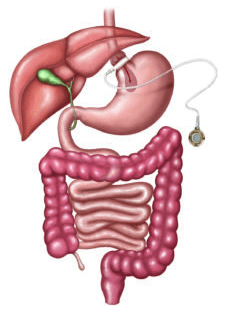
How Does a Gastric Band Work?
A laparoscopic adjustable gastric band is a silicone device placed around the upper portion of the stomach to limit the amount of food a person can comfortably eat. The band is connected to a small port beneath the skin, allowing a surgeon to adjust its tightness by adding or removing saline.
Although gastric bands have helped some patients lose weight, long-term results can vary. Complications, insufficient weight loss, and weight regain may lead patients to consider removal or conversion to another bariatric procedure.
When Should You Consider Lap-Band Removal?
Lap-Band removal may be recommended when an adjustable gastric band causes complications, interferes with eating, or no longer provides adequate weight loss results. Common reasons to seek an evaluation include:
- Band slippage: The band moves from its intended position and can cause pain, vomiting, or difficulty eating.
- Band erosion: The band wears into the stomach wall and may require removal.
- Chronic acid reflux: Persistent heartburn or regurgitation related to the band.
- Difficulty swallowing: Food intolerance or the sensation that food is stuck.
- Frequent nausea or vomiting: Symptoms that may indicate a band-related problem.
- Inadequate weight loss or weight regain: The band is no longer helping meet weight-management goals.
- Device or port complications: Infection, tubing problems, or other mechanical issues.
Not every person with a gastric band needs surgery. In some cases, an adjustment or another treatment may help. Persistent or worsening symptoms should be evaluated by a bariatric surgeon. Severe abdominal pain, repeated vomiting, or inability to tolerate liquids requires urgent medical evaluation.
Lap-Band Removal and Revision Surgery Options
Treatment options depend on the reason for removal, the condition of the stomach and esophagus, overall health, and long-term weight loss goals.
Lap-Band Removal Without Revision
Some patients choose gastric band removal without another weight loss procedure. During laparoscopic removal, the surgeon generally removes the band, connecting tubing, and access port through small incisions. This approach may be appropriate when band-related complications need to be addressed but another bariatric operation is not desired or indicated. Weight regain is possible after removal.
Lap-Band to Gastric Sleeve Conversion
For patients seeking additional weight loss, conversion to sleeve gastrectomy (gastric sleeve) may be an option. After the band is removed, a portion of the stomach is removed to create a smaller, sleeve-shaped stomach. Patients with significant reflux or esophageal problems may benefit from discussing alternative procedures.
Lap-Band to Gastric Bypass Conversion
Conversion to Roux-en-Y gastric bypass may be considered for patients with weight regain, inadequate weight loss, or certain band-related complications. Gastric bypass changes the stomach and digestive tract to support weight loss and often improves GERD. It also requires lifelong vitamin supplementation and nutritional follow-up.
One-Stage vs. Two-Stage Revision Surgery
In a one-stage conversion, the band is removed and the new bariatric procedure is performed during the same operation. In a two-stage approach, the band is removed first and the patient heals before undergoing another procedure. Significant inflammation, scar tissue, band erosion, or other findings may influence which approach is safest.
Who Is a Candidate for Lap-Band Removal or Revision?
Patients with persistent band-related complications, difficulty eating, inadequate weight loss, or weight regain may be candidates for an evaluation. Eligibility for another bariatric procedure depends on body mass index (BMI), obesity-related health conditions, prior surgical history, and the condition of the stomach and esophagus.
Dr. Malladi reviews these factors to help determine whether adjustment, band removal alone, or conversion to gastric sleeve or bypass is appropriate. You do not need to return to the surgeon who performed your original gastric band operation to explore treatment options.
What to Expect After Lap-Band Removal or Revision Surgery
Recovery depends on the procedure performed, any existing band complications, and overall health. Patients undergoing band removal alone generally recover more quickly than those converting to gastric sleeve or bypass. Many procedures are performed using minimally invasive laparoscopic techniques.
Temporary abdominal soreness, bloating, and fatigue are common. Diet progression and activity restrictions vary by procedure; conversion patients generally follow a staged postoperative diet and need ongoing nutritional guidance. Dr. Malladi provides personalized recovery instructions and follow-up care.
What Are the Risks of Lap-Band Removal or Revision Surgery?
All surgical procedures carry potential risks. Lap-Band removal and revision can involve bleeding, infection, blood clots, injury to the stomach or surrounding organs, and challenges related to scar tissue from the original procedure. Conversion to sleeve gastrectomy or gastric bypass carries additional risks, including leaks, narrowing of the digestive tract, and nutritional deficiencies. Revisional bariatric surgery can be more complex than an initial operation, making individualized surgical planning important.
Why Choose Dr. Malladi for Lap-Band Revision Surgery?
Dr. Preeti Malladi is a board-certified, fellowship-trained bariatric surgeon with extensive experience in revisional weight loss surgery. She completed her general surgery residency at UCLA and fellowship training in minimally invasive general and bariatric surgery at Northwestern University. As a Fellow of the American College of Surgeons (FACS) and the American Society for Metabolic and Bariatric Surgery (FASMBS), Dr. Malladi brings specialized expertise to the evaluation and surgical treatment of patients with existing gastric bands. She develops personalized plans based on each patient’s health, symptoms, and goals.
Frequently Asked Questions About Lap-Band Removal and Revision
Schedule a Lap-Band Removal or Revision Consultation in Dallas or Plano
If you are experiencing Lap-Band complications, struggling with weight regain, or considering conversion to another bariatric procedure, Dr. Preeti Malladi can help you explore your options. Malladi Bariatrics & Advanced Surgery provides personalized care for patients in Dallas, Plano, and throughout North Texas. Contact our office to schedule a consultation.