

Minimally Invasive Ventral & Umbilical Hernia Surgery
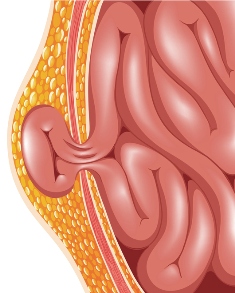
An abdominal wall hernia occurs when tissue or part of an organ pushes through a weakened area of the abdominal muscles or connective tissue. These hernias often appear as a noticeable bulge and may cause pain or discomfort, particularly during lifting, coughing, or other physical activities. Common types include ventral, umbilical, and incisional hernias.
Dr. Preeti Malladi is a board-certified general surgeon who provides abdominal wall hernia repair for patients in Dallas, Plano, and throughout North Texas. With advanced training in minimally invasive surgery, she offers laparoscopic and open hernia repair techniques, selecting the most appropriate approach based on each patient’s condition, medical history, and surgical needs.
Why Choose Dr. Malladi for Hernia Repair?
Dr. Preeti Malladi is a board-certified general surgeon with extensive experience in minimally invasive abdominal surgery, including laparoscopic hernia repair. She completed her general surgery residency at UCLA and fellowship training in minimally invasive general and bariatric surgery at Northwestern University. As a Fellow of the American College of Surgeons (FACS), Dr. Malladi combines advanced surgical training with a personalized approach, helping patients understand their treatment options and determine the most appropriate method of hernia repair.
Schedule An Appointment
Types of Abdominal Wall Hernias
Abdominal wall hernias can develop in different locations and may vary in size and severity. Common types include:
Ventral Hernias
A ventral hernia develops when tissue pushes through a weakened area in the front of the abdominal wall. These hernias may cause a visible bulge, pressure, or discomfort that becomes more noticeable during physical activity.
Umbilical Hernias
An umbilical hernia occurs near the belly button when abdominal tissue protrudes through an opening or weakened area in the abdominal wall. Although some umbilical hernias cause little discomfort, others may enlarge or become painful over time.
Incisional Hernias
An incisional hernia develops at or near the site of a previous abdominal surgery. The surgical incision can leave an area of weakness in the abdominal wall, allowing tissue or intestine to protrude through the opening.
What Causes Abdominal Wall Hernias?
Abdominal wall hernias develop when weakened muscles or connective tissue allow abdominal contents to protrude through an opening. Factors that can contribute to their development include aging, obesity, previous abdominal surgery, pregnancy, and injuries to the abdominal wall. Activities or conditions that increase abdominal pressure, such as heavy lifting, chronic coughing, or frequent straining during bowel movements, may also contribute to hernia formation.
What Are the Symptoms of an Abdominal Wall Hernia?
The most common sign of an abdominal wall hernia is a bulge beneath the skin that may become more noticeable when standing, coughing, lifting, or straining. Some hernias cause little or no discomfort, while others produce symptoms such as:
- Pain or pressure around the hernia
- A visible bulge in the abdomen or near the belly button
- Discomfort that worsens with physical activity
- A pulling, aching, or burning sensation near the affected area
In some cases, abdominal tissue or intestine can become trapped in the hernia, a condition known as incarceration. If the blood supply to the trapped tissue is cut off, the hernia becomes strangulated and requires emergency treatment.
Seek immediate medical attention if you experience sudden or severe abdominal pain, vomiting, a painful bulge that cannot be pushed back in, or discoloration of the skin over the hernia. These symptoms may indicate a serious complication.
Abdominal Wall Hernia Repair Options
Abdominal wall hernias do not heal on their own. While small, symptom-free hernias may sometimes be monitored, surgery is the only way to permanently repair the opening in the abdominal wall. Dr. Malladi evaluates the hernia’s size, location, symptoms, and the patient’s overall health to recommend the most appropriate treatment.
Laparoscopic Hernia Repair
Laparoscopic hernia repair is a minimally invasive procedure performed through several small abdominal incisions. Dr. Malladi uses a camera and specialized surgical instruments to repair the weakened area of the abdominal wall. When appropriate, this approach may offer less postoperative discomfort, smaller scars, and a faster recovery compared to traditional open surgery.
Open Hernia Repair
Open hernia repair involves an incision near the hernia that allows the surgeon to access and repair the weakened abdominal wall directly. This approach may be recommended for larger or more complex hernias, patients with extensive scar tissue, or situations where minimally invasive surgery is not appropriate.
Is Surgical Mesh Used for Hernia Repair?
Surgical mesh is frequently used during abdominal wall hernia repair to reinforce weakened tissue and reduce the likelihood of recurrence. However, not every hernia requires mesh. Dr. Malladi considers the size and location of the hernia, the condition of the surrounding tissue, and other individual factors when determining the best repair technique.
Preparing for Abdominal Wall Hernia Surgery
Before surgery, Dr. Malladi will review your medical history, examine the hernia, and determine whether additional testing is necessary. You may receive instructions about medications, fasting, smoking cessation, and activity restrictions before your procedure. Some abdominal wall hernia repairs are performed on an outpatient basis, while more complex procedures may require a hospital stay. Your surgical team will provide specific instructions to help you prepare safely.
What to Expect After Abdominal Wall Hernia Repair
Recovery after abdominal wall hernia repair depends on the size and complexity of the hernia, the surgical approach, and the patient’s overall health. Many patients can return home the same day after a minimally invasive procedure, while more complex repairs may require a longer hospital stay.
Mild to moderate discomfort, swelling, and fatigue are common during the initial recovery period. Walking and other light activities are generally encouraged, but patients should avoid heavy lifting and strenuous exercise until cleared by their surgeon. Some patients can return to light daily activities within a few weeks, while complete recovery may take several weeks or longer. Dr. Malladi provides individualized recovery instructions and follow-up care to support proper healing.
What Are the Risks of Abdominal Wall Hernia Repair?
Abdominal wall hernia repair is a common and generally safe procedure, but all surgeries carry potential risks. Possible complications include bleeding, infection, blood clots, injury to nearby organs, fluid buildup, persistent pain, and recurrence of the hernia. If surgical mesh is used, mesh-related complications may also occur. Dr. Malladi carefully evaluates each patient’s medical history, hernia characteristics, and overall health to recommend the most appropriate surgical approach and minimize potential risks.
Can an Abdominal Wall Hernia Come Back After Surgery?
Although hernia repair is designed to provide a lasting solution, some hernias can recur. Factors such as obesity, smoking, poor wound healing, and excessive strain on the abdominal wall may increase the risk. Maintaining a healthy weight, avoiding smoking, managing chronic coughing or constipation, and following postoperative activity restrictions can help support healing and reduce the likelihood of recurrence.
More About Abdominal Wall Hernias
Hiatal Hernia: Causes and Treatment
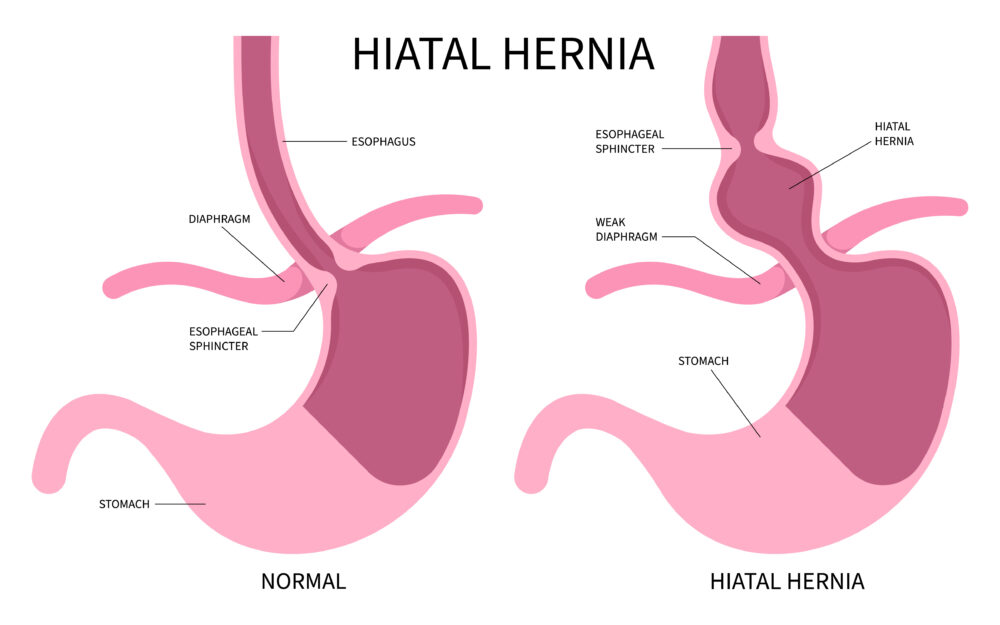
A hiatal hernia occurs when the upper part of your stomach bulges through the diaphragm into the chest cavity. This common condition affects up to 60% of people over age…What Does an Abdominal Hernia Feel Like?
An abdominal hernia (also called a ventral hernia) occurs when a small opening develops in the muscles allowing the inner lining of the abdomen to protrude. An abdominal hernia may…




Frequently Asked Questions About Abdominal Wall Hernia Repair
Schedule an Abdominal Wall Hernia Consultation in Dallas or Plano
If you’re experiencing abdominal discomfort, have noticed a bulge in your abdomen, or have been diagnosed with a hernia, Dr. Preeti Malladi can help you explore your treatment options. Malladi Bariatrics & Advanced Surgery provides personalized care and minimally invasive hernia repair for patients throughout Dallas, Plano, and North Texas. Contact our office today to schedule a consultation.