

Magnetic Sphincter Augmentation for Chronic Acid Reflux
The LINX procedure is a minimally invasive treatment for certain patients with confirmed gastroesophageal reflux disease (GERD). A small ring of magnetic beads is placed around the lower esophagus to help prevent stomach contents from flowing backward while allowing food and liquids to pass into the stomach when swallowing.
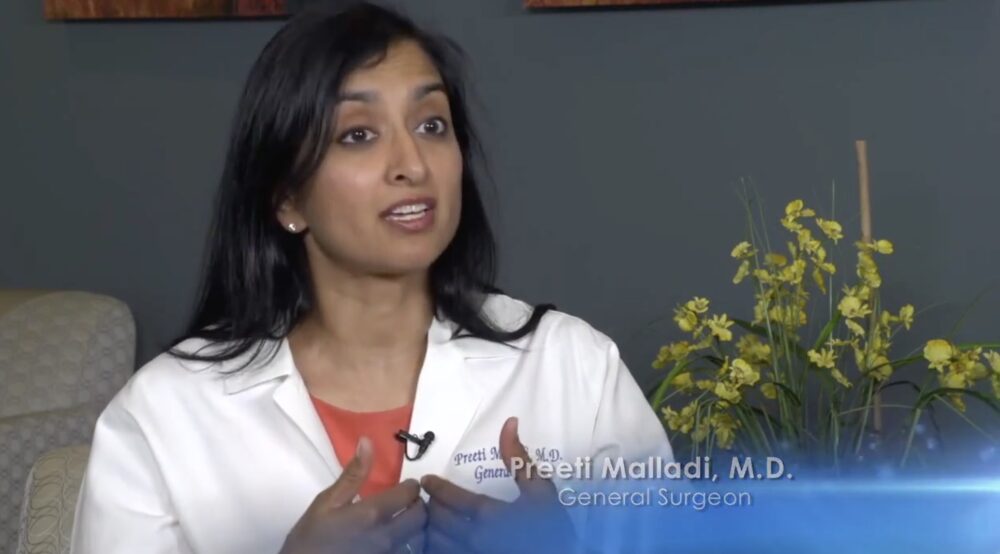
Dr. Preeti Malladi is a board-certified general surgeon with advanced training in minimally invasive surgery. She evaluates patients in Dallas, Plano, and throughout North Texas to determine whether LINX magnetic sphincter augmentation, fundoplication, or another GERD treatment option is appropriate.
Not all patients with reflux are candidates for LINX. Testing to confirm GERD and assess esophageal function is an important part of choosing a safe treatment.
Schedule An Appointment
What Is the LINX System and How Does It Work?
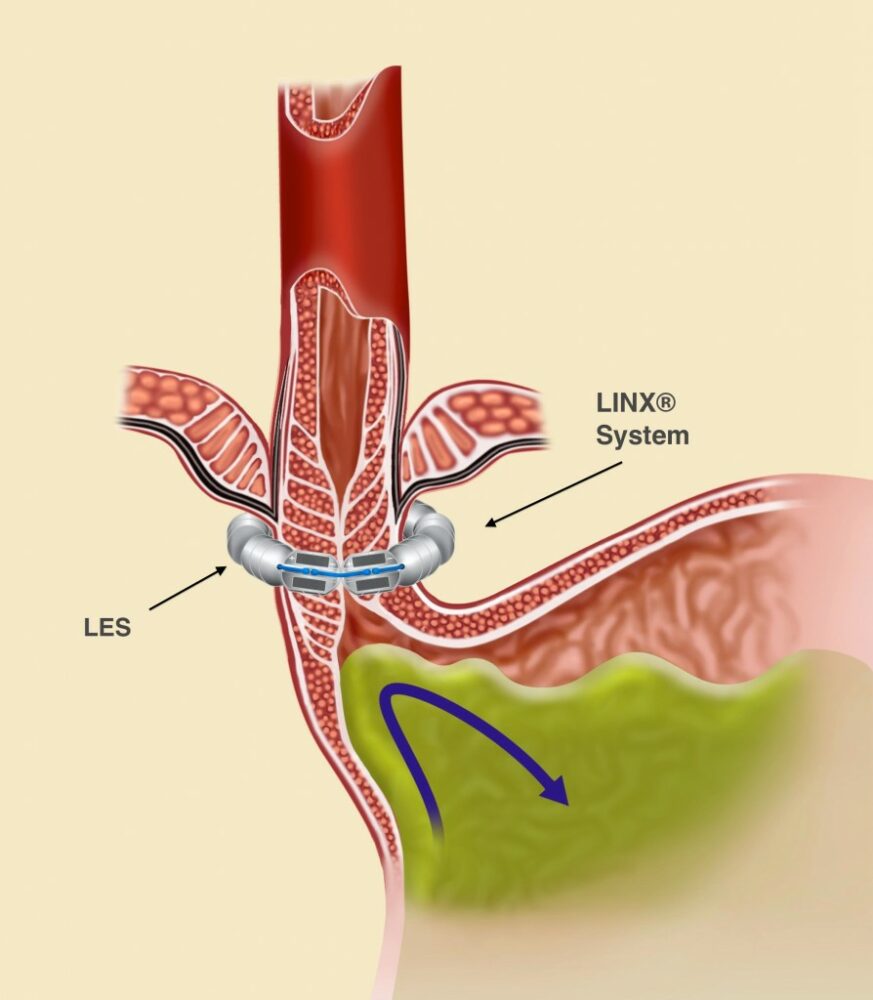
The lower esophageal sphincter (LES) is a ring of muscle that normally helps keep stomach contents from moving into the esophagus. When this barrier is weak, acid reflux and regurgitation can occur.
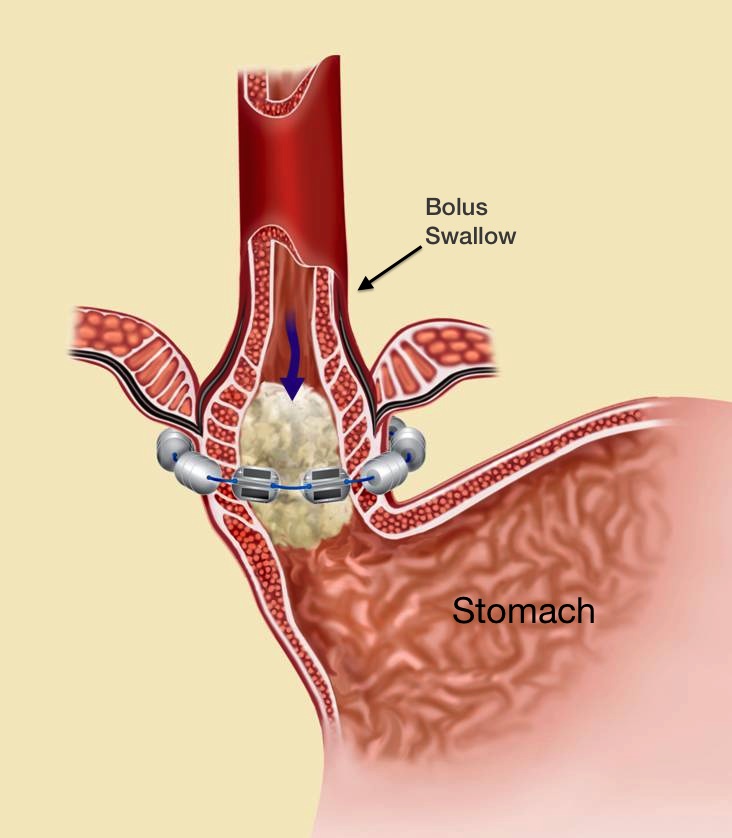
LINX is a flexible ring of small magnetic beads placed around the LES. The magnets help reinforce the barrier between the esophagus and stomach. During swallowing, the beads temporarily separate to allow food and liquid to pass, then come back together. Unlike fundoplication, LINX does not require wrapping part of the stomach around the esophagus.
See the manufacturer’s information about LINX for additional device details.
When Might LINX Surgery Be Recommended?
LINX may be considered for adults with objectively confirmed GERD who continue to have troublesome symptoms, particularly regurgitation, despite appropriate medical treatment or who want to discuss an alternative to ongoing acid-suppressing medication.
- Persistent heartburn or regurgitation with documented GERD
- GERD symptoms that continue despite appropriate medication and lifestyle changes
- A desire to discuss surgical treatment instead of continued daily acid suppression
- Esophageal anatomy and swallowing function suitable for the device
The presence of a hiatal hernia does not automatically rule out LINX, but a hernia may also need surgical repair. Metal allergies, significant swallowing disorders, certain other medical conditions, and MRI needs can affect eligibility. Dr. Malladi reviews these factors before recommending surgery.
How Are Patients Evaluated Before LINX?
Before recommending magnetic sphincter augmentation, Dr. Malladi reviews symptoms, medications, prior treatments, and medical history. Testing may include upper GI endoscopy (EGD), esophageal pH monitoring to document abnormal reflux, and esophageal manometry to assess swallowing function. Imaging may also be needed to evaluate a hiatal hernia.
These tests help determine whether symptoms are caused by GERD and whether LINX is an appropriate option. Patients with major esophageal motility disorders may need a different approach.
What Happens During the LINX Procedure?
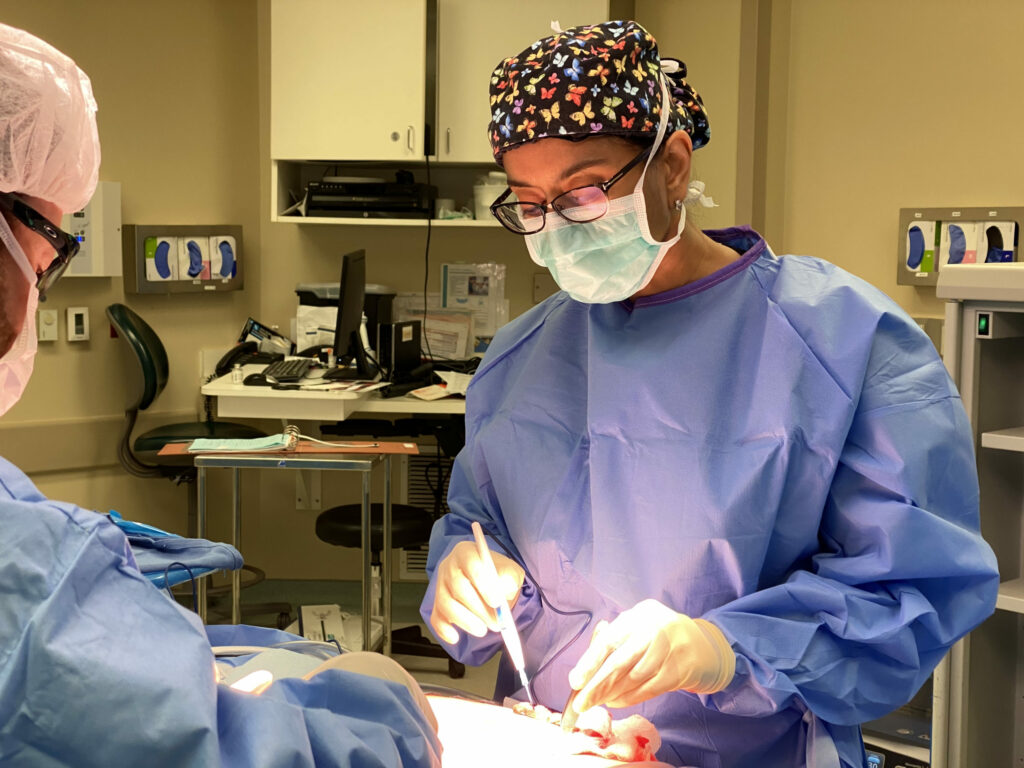
LINX is generally implanted laparoscopically under general anesthesia. Through small abdominal incisions, the surgeon positions the magnetic ring around the lower esophagus. If a hiatal hernia is present, it may be repaired during the same operation.
The procedure is often completed in about an hour, although the time varies with anatomy and whether additional repair is needed. Many patients are able to go home the same day. Dr. Malladi will explain the planned approach and expected hospital stay during the consultation.
Recovery and Diet After LINX Surgery
Mild abdominal soreness, bloating, and temporary difficulty swallowing are common during early recovery. Many patients return to light activities within a few days, but work schedules and restrictions on strenuous activity depend on the procedure and individual healing.
LINX eating instructions differ from those following some other reflux procedures. Patients are generally encouraged to resume a regular diet as soon as tolerated to help the esophagus adapt to the device. Taking small bites, chewing thoroughly, and following the surgeon’s specific meal instructions are important. Do not substitute a prolonged liquid-only diet unless your care team specifically instructs you to do so.
Call your surgical team promptly for worsening difficulty swallowing, persistent vomiting, fever, increasing pain, or other concerning symptoms. Inability to swallow liquids, difficulty breathing, or severe chest pain requires urgent medical assessment.
Benefits and Risks of LINX Magnetic Sphincter Augmentation
LINX can reduce reflux symptoms and the need for acid-suppressing medication in appropriately selected patients, while generally preserving the ability to belch and vomit. However, symptom improvement varies, and some patients continue to need medication or additional treatment.
Potential risks include bleeding, infection, anesthesia complications, difficulty or pain with swallowing, bloating, recurrent reflux, and device-related complications such as erosion or the need for additional procedures or device removal. Dr. Malladi will review the expected benefits and the risks relevant to your health and anatomy.
LINX vs. Fundoplication: What’s the Difference?
Both LINX and fundoplication aim to improve the barrier between the stomach and esophagus. Nissen fundoplication reinforces this barrier by wrapping the upper stomach around the lower esophagus. LINX uses a magnetic implant instead of a stomach wrap. Each has different considerations for swallowing, recovery, anatomy, and long-term management.
Neither technique is best for every patient. Testing and a discussion of goals and tradeoffs help Dr. Malladi recommend the most appropriate procedure.
Why Choose Dr. Malladi for LINX Surgery?
Dr. Preeti Malladi is a board-certified general surgeon and Fellow of the American College of Surgeons (FACS). She completed a general surgery residency at UCLA and fellowship training in minimally invasive general and bariatric surgery at Northwestern University. Her experience treating reflux and related upper gastrointestinal conditions allows her to evaluate LINX alongside other surgical options, including fundoplication and hiatal hernia repair.
Frequently Asked Questions About LINX Surgery
Schedule a LINX Procedure Consultation in Dallas or Plano
If persistent acid reflux or regurgitation is affecting your quality of life, Dr. Preeti Malladi can help determine whether LINX or another GERD treatment is appropriate. Contact Malladi Bariatrics & Advanced Surgery to schedule a consultation in Dallas or Plano.