

Can You Have Bariatric Surgery After Trying Ozempic, Wegovy or Zepbound?
Yes, weight loss surgery may be an option if you’ve previously used GLP-1 medications, even if the medications didn’t produce the results you hoped for or you stopped taking them because of side effects. Bariatric surgery can also be worth considering if you’ve lost weight with medication but are concerned about maintaining those results without ongoing treatment. Your eligibility depends on your current health, weight history, and other medical factors.
Medications such as Ozempic, Wegovy, Mounjaro, and Zepbound have helped many people achieve meaningful weight loss. However, medication isn’t necessarily the right long-term solution for everyone. Some patients struggle with nausea, digestive issues, inadequate weight loss, or weight regain after stopping treatment. Others simply want to explore whether a surgical approach might better fit their long-term health goals.
At Malladi Bariatrics & Advanced Surgery, board-certified bariatric surgeon Dr. Preeti Malladi helps patients throughout Dallas, Plano, and surrounding North Texas communities understand their weight loss treatment options. With experience in both surgical and medical weight management, Dr. Malladi provides individualized recommendations based on each patient’s health history, previous treatments, and goals.
Schedule An Appointment
Why Consider Weight Loss Surgery After GLP-1 Medications?
GLP-1 medications can be an effective treatment for obesity, but there are several reasons a patient might consider transitioning to bariatric surgery.
Side Effects Make GLP-1 Medications Difficult to Continue
GLP-1 medications work in part by regulating appetite and slowing stomach emptying. While these effects can support weight loss, they can also cause gastrointestinal symptoms.
Common side effects include nausea, vomiting, diarrhea, constipation, abdominal discomfort, and acid reflux. Some patients find that symptoms improve over time, while others have difficulty tolerating the medication.
If side effects interfere with your quality of life or prevent you from continuing treatment, bariatric surgery may be another option worth exploring. Surgery has its own risks and potential digestive side effects, so a careful evaluation is important.
You’re Concerned About Taking Weight Loss Medication Indefinitely
One of the most common concerns about GLP-1 medications is what happens when treatment stops.
Obesity is a chronic condition, and many patients need ongoing medication to maintain the benefits they’ve achieved. Clinical studies have found that stopping medications such as semaglutide or tirzepatide can lead to substantial weight regain.
For patients who would prefer not to depend on continued medication use for weight management, bariatric surgery may be an appealing alternative. Surgery produces lasting changes to the digestive system and can influence appetite and metabolism.
However, bariatric surgery is not a guarantee that you’ll never need weight loss medication again. Some patients benefit from additional medical treatment after surgery, particularly if they experience weight regain.
Weight Loss Results Have Been Disappointing
Not everyone responds to GLP-1 medications in the same way. Some patients achieve substantial weight loss, while others experience smaller changes or reach a plateau before meeting their goals.
For patients who have not achieved sufficient weight loss through medication and lifestyle changes, gastric sleeve or gastric bypass surgery may provide a different approach to long-term weight management.
Medication Costs or Coverage Are a Concern
The ongoing cost of GLP-1 treatment can be significant, particularly when insurance coverage is limited or changes over time.
Although bariatric surgery involves upfront expenses and ongoing follow-up care, it may offer a different long-term financial consideration for eligible patients. Insurance coverage for surgery varies, and our team can help you understand your plan’s requirements.
GLP-1 Medications vs. Bariatric Surgery: Understanding the Pros and Cons
Both approaches can help people lose weight and improve obesity-related health conditions. The main differences involve how treatment works, the commitment required, and the potential long-term results.
Benefits of GLP-1 Weight Loss Medications
- Nonsurgical treatment: No operation or surgical recovery is required.
- Effective weight loss: Many patients achieve meaningful reductions in body weight.
- Health improvements: Certain medications can improve blood sugar control and offer other benefits for eligible patients.
- Adjustable treatment: Medication doses and treatment plans can be modified under medical supervision.
Potential drawbacks: Gastrointestinal side effects, ongoing prescription costs, the need for continued treatment in many patients, and the possibility of significant weight regain after stopping medication.
Benefits of Bariatric Weight Loss Surgery
- Durable weight loss: Gastric sleeve and gastric bypass surgery have demonstrated substantial, sustained weight loss in long-term studies.
- Metabolic benefits: Surgery can improve conditions associated with obesity, including type 2 diabetes, high blood pressure, and sleep apnea.
- No ongoing weight loss prescription required for everyone: Many patients maintain significant weight loss without continuous anti-obesity medication.
- Multiple surgical options: The procedure can be selected based on medical history, weight loss needs, and other health conditions.
Potential drawbacks: Surgery requires anesthesia and recovery, carries risks such as bleeding, infection, blood clots, and gastrointestinal complications, and permanently changes the digestive system in the case of gastric sleeve and gastric bypass. Patients must also commit to lifelong nutritional care, vitamin supplementation, and follow-up appointments.
Neither method eliminates the need for healthy eating, physical activity, and long-term weight management. Some patients may also benefit from using medication and surgery at different stages of treatment.
Which Weight Loss Surgery Is Best After GLP-1 Treatment?
The right procedure depends on several factors, including your weight loss goals, medical history, and whether you have conditions such as diabetes or chronic acid reflux.
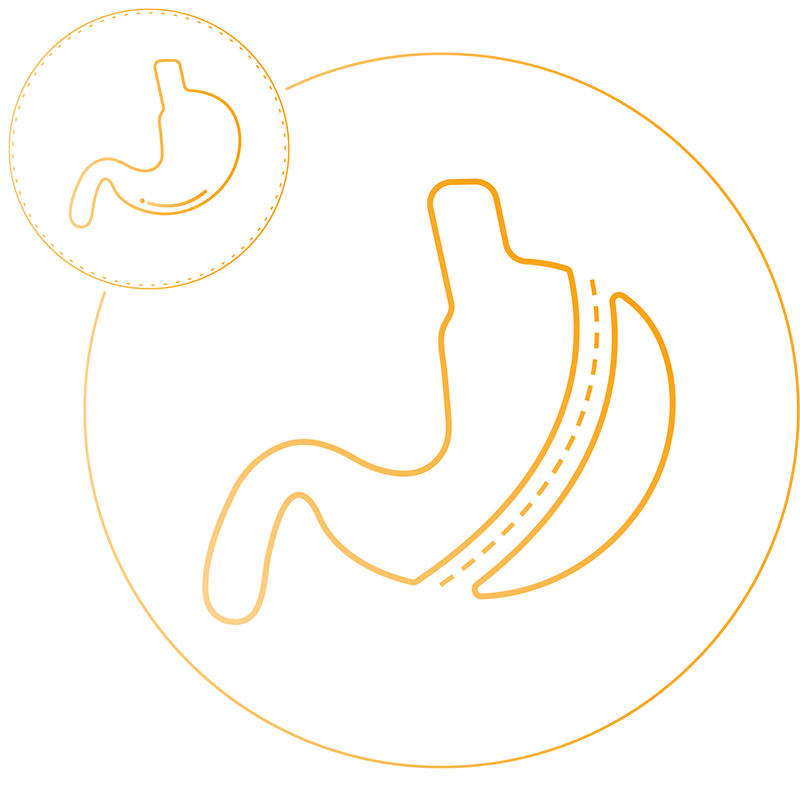
Gastric Sleeve Surgery
Gastric sleeve surgery (sleeve gastrectomy) reduces the size of the stomach, helping patients feel full after eating smaller portions. It also changes hormones involved in hunger and appetite.
Gastric sleeve surgery may be considered for patients seeking a surgical approach to weight management after unsuccessful medication treatment. However, it can cause or worsen acid reflux in some patients.
Gastric Bypass Surgery
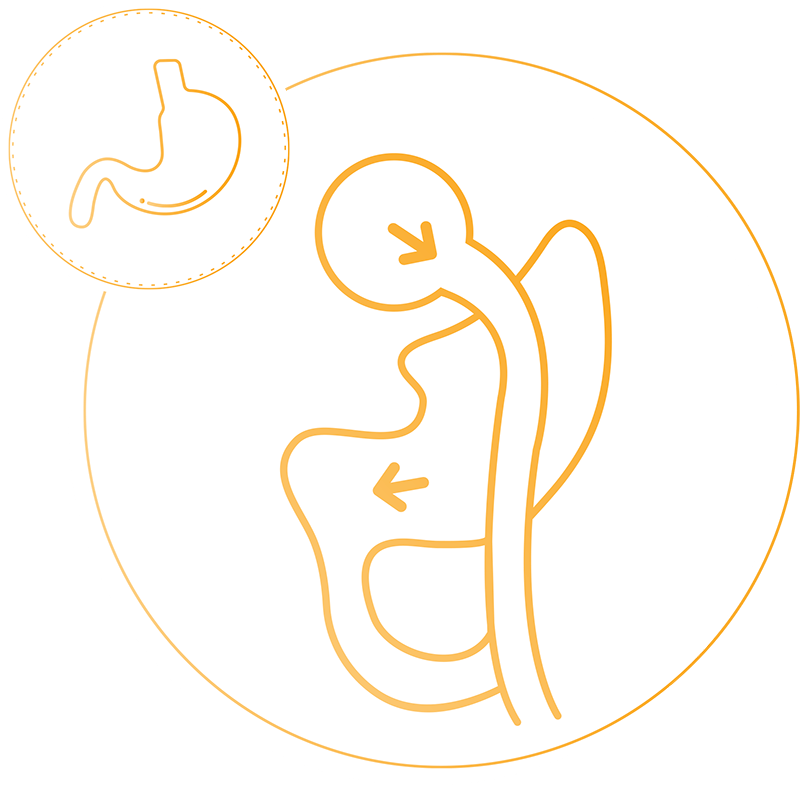
Gastric bypass surgery (Roux-en-Y gastric bypass) creates a smaller stomach pouch and changes how food passes through the digestive system.
It may be particularly beneficial for some patients with type 2 diabetes or significant acid reflux, in addition to those seeking substantial weight loss. Dr. Malladi will explain the advantages, limitations, and potential risks of each procedure to help you make an informed decision.
What Happens if You’re Still Taking a GLP-1 Medication Before Surgery?
If you’re currently using Ozempic, Wegovy, Mounjaro, Zepbound, or another weight loss medication, it’s important to share that information with your bariatric surgeon and anesthesia team. Some GLP-1 medications slow stomach emptying, which can affect anesthesia planning. Depending on the medication, dosage, symptoms, and individual risk factors, your medical team may recommend adjustments before surgery.
Do not stop or change your prescribed medication without guidance from your treating healthcare team. Dr. Malladi will coordinate the appropriate preoperative plan based on your medical needs.
Why Dr. Malladi?
Why Choose Dr. Malladi for Weight Loss Surgery After GLP-1s?
Choosing a bariatric surgeon is an important decision, especially when you’ve already invested time and effort into other weight loss treatments.
Dr. Preeti Malladi is a board-certified, fellowship-trained bariatric and minimally invasive surgeon. She is a Fellow of the American College of Surgeons (FACS), a Fellow of the American Society for Metabolic and Bariatric Surgery (FASMBS), and holds the Metabolic and Bariatric Surgery Focused Practice Designation (MBS FPD).
At Malladi Bariatrics & Advanced Surgery, our approach is not simply to recommend an operation. We help patients understand the benefits and limitations of available treatments, including medical weight loss and bariatric surgery.
Whether you’ve struggled with GLP-1 side effects, regained weight after stopping medication, or want to explore alternatives to lifelong prescription treatment, Dr. Malladi will work with you to determine an appropriate path forward.

Frequently Asked Questions About Weight Loss Surgery After GLP-1s
Explore Bariatric Surgery After GLP-1 Medications in Dallas & Plano
Trying GLP-1 medications doesn’t mean you’ve exhausted your options. Surgery may offer another path toward lasting weight management, and Dr. Malladi can help determine whether it’s appropriate.
Schedule a consultation with Dr. Malladi to discuss your experience with weight loss medications, find out whether you’re a candidate for bariatric surgery, and learn which treatment options may be right for you.