

For patients who qualify, bariatric surgery generally provides the most established long-term weight loss, with research demonstrating durable results for many years after surgery. GLP-1 and related weight loss medications, including semaglutide and tirzepatide, can also produce substantial weight loss, but continued treatment is often necessary to maintain the full benefit.
Choosing between weight loss surgery and medication is not simply about which option produces the biggest number on the scale. The best treatment depends on your BMI, medical history, obesity-related health conditions, previous weight loss attempts, personal preferences, and ability to continue treatment long term.
At Malladi Bariatrics & Advanced Surgery, Dr. Preeti Malladi offers both bariatric surgery and medical weight loss options, allowing treatment to be tailored to the individual rather than taking a one-size-fits-all approach. Dr. Malladi is a board-certified, fellowship-trained bariatric surgeon with extensive experience in minimally invasive weight loss surgery. The goal is not just initial weight loss, but helping patients improve their health and find an approach they can sustain.
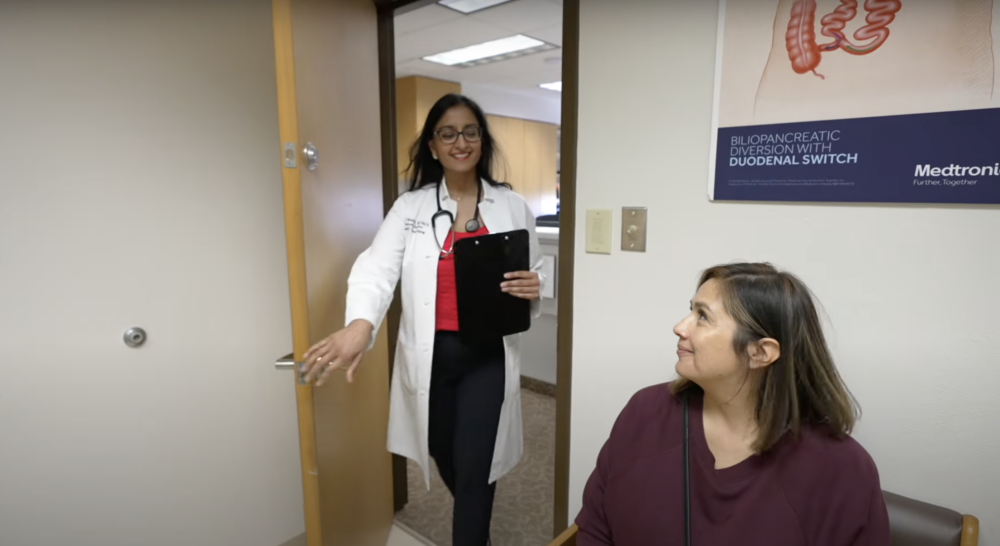
Bariatric Surgery vs. Weight Loss Medications for Lasting Results
Modern obesity treatment includes several effective options. For patients considering gastric sleeve surgery, gastric bypass surgery, semaglutide, tirzepatide, or another medical weight loss treatment, understanding what happens several years down the road is especially important.
Which Weight Loss Option Has the Best Long-Term Results?
Bariatric surgery has the longest track record for substantial, durable weight loss. The 2022 guidelines from the American Society for Metabolic and Bariatric Surgery (ASMBS) and International Federation for the Surgery of Obesity and Metabolic Disorders (IFSO) report that bariatric surgery produces significant weight loss that has been demonstrated to remain durable at 5, 10, and even 20 years after surgery.
The amount of weight a patient loses varies depending on the procedure and individual factors. Common procedures include:
- Sleeve gastrectomy, also called gastric sleeve surgery
- Roux-en-Y gastric bypass
- Bariatric revision or conversion surgery for certain patients who previously underwent weight loss surgery
Bariatric surgery works through more than simply reducing the amount of food a person can eat. Depending on the procedure, surgery can also produce changes in hunger, satiety, metabolism, and gastrointestinal hormones that support long-term weight management.
A 2025 cohort study published in JAMA Surgery comparing metabolic and bariatric surgery with GLP-1 receptor agonists found that surgery was associated with significantly greater body weight reduction over two years in the subgroup with available clinical weight data. The researchers noted that additional study is needed, particularly to understand which patients benefit most from each approach.
Can GLP-1 Medications Provide Long-Term Weight Loss?
Yes, medications such as semaglutide and tirzepatide can produce significant weight loss, especially while treatment continues. These medications have changed the way obesity is treated and can be an excellent option for appropriate patients.
Tirzepatide has produced particularly substantial results in clinical trials. In the SURMOUNT-4 trial published in JAMA, participants lost an average of 20.9% of their body weight during the initial 36 weeks of tirzepatide treatment. Participants who continued tirzepatide subsequently lost additional weight, while those switched to placebo regained a significant amount.
That distinction is important when discussing long-term weight loss. Obesity is a chronic disease, and weight loss medication may need to be treated similarly to medication for other chronic conditions. Stopping treatment can allow appetite and other biological factors influencing weight to return.
What Happens If You Stop Weight Loss Medication?
Weight regain is common after GLP-1 or related weight loss medications are discontinued.
In an extension of the STEP 1 clinical trial, participants who had taken semaglutide regained approximately two-thirds of their previous weight loss within one year after stopping treatment. The researchers concluded that the findings support the need for ongoing treatment to maintain improvements in weight and health.
Tirzepatide research has shown a similar pattern. In SURMOUNT-4, participants who stopped tirzepatide regained weight, while those who continued treatment maintained and increased their weight loss. More recent research published in JAMA Internal Medicine found that most participants who discontinued tirzepatide regained at least 25% of the weight they had initially lost within a year.
This does not mean medication “failed.” Rather, it reinforces the understanding that obesity often requires long-term management. For some patients, staying on medication may be an appropriate long-term strategy.
Is Bariatric Surgery or Medical Weight Loss Right for Me?
The best treatment is the one that matches your health needs, weight loss goals, and ability to maintain treatment over time.
Bariatric surgery may be considered for patients who need substantial weight loss or have obesity-related health conditions. Current ASMBS/IFSO guidelines recommend metabolic and bariatric surgery for individuals with a BMI above 35, regardless of the presence or severity of obesity-related conditions. Surgery should also be considered for people with metabolic disease and a BMI of 30 to 34.9, as well as certain patients who have not achieved substantial or durable results through nonsurgical methods.
Medical weight loss may be appropriate for patients who do not qualify for surgery, prefer a nonsurgical approach, or would benefit from medication as part of a comprehensive weight management plan.
Insurance coverage can also influence treatment decisions. Some insurance plans cover bariatric surgery, weight loss medications, or both, while others have specific eligibility requirements or exclusions. The team at Malladi Bariatrics & Advanced Surgery helps patients determine their insurance benefits and understand coverage requirements for bariatric surgery.
Ultimately, the decision should be made after discussing the benefits, risks, expected results, and long-term requirements of each option with an experienced weight loss specialist.
Frequently Asked Questions About Long-Term Weight Loss
Is bariatric surgery more effective than GLP-1 medications?
For patients who qualify, bariatric surgery currently has the strongest evidence for substantial weight loss that remains durable over many years. Newer medications such as tirzepatide can also produce significant weight loss, particularly when treatment is continued.
Do you regain weight after stopping semaglutide or tirzepatide?
Weight regain is common after stopping these medications. Clinical trials of both semaglutide and tirzepatide have found substantial weight regain after treatment was withdrawn, although individual results vary.
Can you regain weight after bariatric surgery?
Yes. Bariatric surgery is a powerful treatment tool, but it does not guarantee that weight can never return. Long-term success still depends on nutrition, physical activity, follow-up care, and addressing medical or behavioral factors that may contribute to weight regain.
Can weight loss medications be used after bariatric surgery?
In some cases, yes. Weight loss medications may be considered for patients who experience inadequate weight loss or weight regain after bariatric surgery. Treatment should be individualized based on the patient’s health history and previous procedure.
Find the Weight Loss Approach That Fits Your Long-Term Goals
There is no single weight loss treatment that is right for everyone. Bariatric surgery offers the most established evidence for substantial, durable long-term weight loss, while modern weight loss medications provide an effective nonsurgical option that may require continued treatment to maintain results.
At Malladi Bariatrics & Advanced Surgery, patients can explore both surgical and medical approaches and receive guidance based on their individual health, goals, and circumstances.
Ready to find out which weight loss option may be right for you? Contact Malladi Bariatrics & Advanced Surgery to schedule a consultation.