

Gallbladder Removal Surgery: Recognizing the Symptoms Before They Become Serious
Gallbladder problems are more common than many people realize. Millions of Americans develop gallstones or other gallbladder conditions each year, and for many patients, gallbladder removal surgery provides lasting relief. The challenge is that symptoms often begin gradually and can easily be mistaken for heartburn, indigestion, acid reflux, or a stomach bug. As a result, many people delay seeking treatment until the pain becomes severe.
At Malladi Bariatrics & Advanced Surgery, we help patients throughout the Dallas-Fort Worth metroplex identify the cause of their abdominal pain and determine whether gallbladder removal surgery (cholecystectomy) is the right solution. Our experienced surgeons specialize in minimally invasive and robotic-assisted techniques that allow most patients to recover more quickly with less discomfort than traditional open surgery. Every patient receives an individualized evaluation, compassionate care, and a treatment plan tailored to their specific needs. Whether you are experiencing occasional discomfort or recurring gallbladder attacks, our team is committed to helping you find relief and return to enjoying life throughout North Texas.
Are You at Higher Risk for Gallstones?
While anyone can develop gallstones, certain factors make them more likely. One of the strongest risk factors is family history. Studies have shown that if a close family member has had gallstones, you may have up to a 75% greater likelihood of developing them yourself due to inherited genetic factors.
Other common risk factors include:
- Being female
- Being over the age of 40
- Obesity
- Rapid weight loss
- Pregnancy
- Diabetes
- A diet high in fat or cholesterol
Understanding your risk factors can help you recognize symptoms early and seek treatment before complications develop.
1. Persistent Pain in the Upper Abdomen
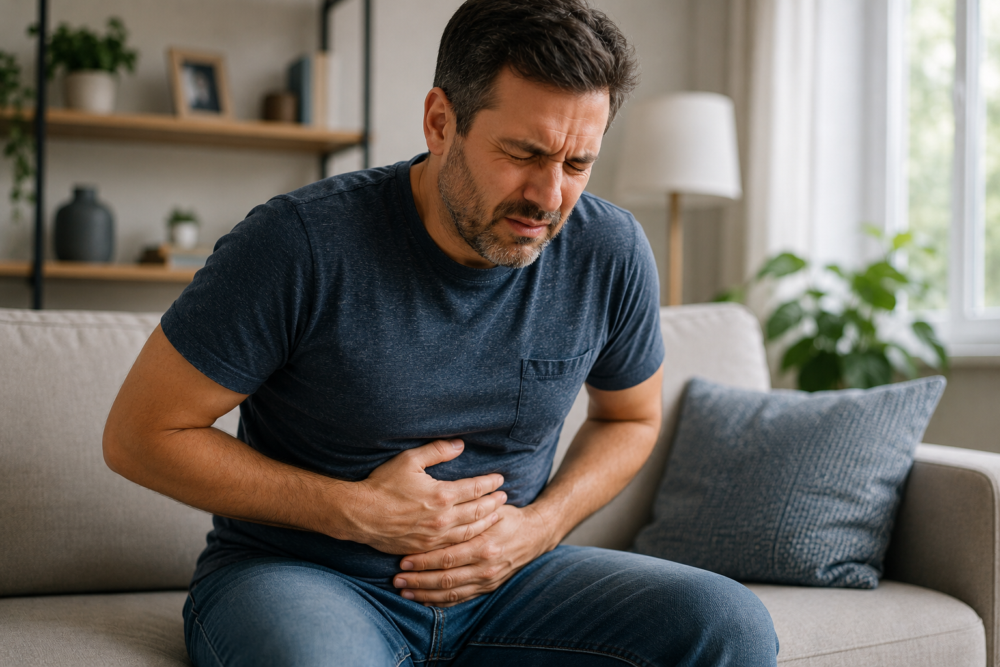
One of the most common signs of gallbladder disease is pain in the upper abdomen. While many people experience pain in the upper right portion of the abdomen, just beneath the rib cage, it is equally common to have pain in the middle upper abdomen, known as epigastric pain. Because epigastric pain often feels similar to heartburn or acid reflux, gallbladder disease is sometimes overlooked.
The discomfort frequently develops after eating, especially after consuming fatty or fried foods. Patients often describe the pain as sharp, cramping, squeezing, or steady pressure that lasts anywhere from several minutes to a few hours.
If this pain continues to return or becomes more severe over time, it may be a sign of gallstones or inflammation of the gallbladder.
2. Pain That Radiates to the Back or Right Shoulder
Gallbladder pain does not always remain in one location. Many patients experience pain that travels into the upper back, between the shoulder blades, or into the right shoulder.
Because this pain can mimic muscle strain or other medical conditions, many people do not immediately associate it with their gallbladder. However, pain that consistently follows meals or occurs alongside digestive symptoms deserves medical evaluation.
Whether you’re commuting through Dallas, enjoying a weekend in Frisco, or spending time with family in Plano or McKinney, recurring pain can interfere with work, exercise, and daily activities.
3. Nausea and Vomiting After Meals
Persistent nausea after eating is another common symptom of gallbladder disease.
The gallbladder stores bile, which helps digest fats. When gallstones block the normal flow of bile, digestion becomes more difficult, often leading to nausea, vomiting, bloating, and stomach discomfort.
If these symptoms occur regularly, particularly after eating rich or greasy foods, it may be time to discuss gallbladder treatment with an experienced surgeon.
4. Frequent Bloating, Indigestion, and Digestive Upset
Many patients notice digestive symptoms long before they realize the gallbladder is the source of the problem.
Common symptoms include:
- Excessive bloating
- Gas after meals
- Indigestion
- Feeling overly full after eating small amounts
- Difficulty digesting fatty foods
While these symptoms can have several causes, recurring digestive issues accompanied by upper abdominal pain are common signs of gallbladder disease.
5. Fever or Chills Along With Abdominal Pain
A fever combined with severe abdominal pain should never be ignored.
When a gallstone blocks the gallbladder, it can lead to inflammation or infection, a condition called acute cholecystitis. Symptoms often include:
- Fever
- Chills
- Severe abdominal pain
- Nausea
- Vomiting
An infected gallbladder requires prompt medical evaluation and treatment to avoid more serious complications.
6. Yellowing of the Skin or Eyes
Yellowing of the skin or eyes, known as jaundice, may occur when a gallstone blocks one of the bile ducts.
Additional symptoms may include:
- Dark urine
- Pale-colored stools
- Severe abdominal pain
Jaundice is a sign that bile is not flowing normally and requires immediate medical attention.
7. Recurring Gallbladder Attacks
The clearest indication that gallbladder removal surgery may be necessary is the occurrence of repeated gallbladder attacks.
A gallbladder attack may include:
- Sudden upper abdominal pain
- Pain after eating
- Nausea
- Sweating
- Bloating
- Pain that radiates to the back or shoulder
Although symptoms often improve between attacks, the underlying problem usually does not resolve on its own. In many cases, attacks become more frequent, last longer, and become increasingly painful.
Why Gallbladder Removal Surgery Is Often the Best Treatment
Gallbladder removal surgery, also known as a cholecystectomy, is one of the most frequently performed surgical procedures in the United States. Most patients experience significant relief from their symptoms after surgery and are able to live healthy, normal lives without a gallbladder.
At Malladi Bariatrics & Advanced Surgery, we perform laparoscopic and robotic-assisted gallbladder surgery whenever appropriate. These minimally invasive techniques offer many benefits, including:
- Smaller incisions
- Less postoperative discomfort
- Reduced risk of complications
- Faster recovery
- Quicker return to work and daily activities
Most patients return home the same day and are back to many normal activities within a short period of time.
When Should You See a Gallbladder Surgeon?
You should schedule an evaluation if you experience:
- Recurrent upper abdominal or epigastric pain
- Pain after meals
- Digestive symptoms that persist despite dietary changes
- Nausea or vomiting related to eating
- Symptoms of gallstones
- Previous gallbladder attacks
- A family history of gallstones combined with ongoing symptoms
Early diagnosis can help prevent complications such as gallbladder infection, bile duct obstruction, pancreatitis, and emergency surgery.
Our experienced surgical team proudly cares for patients throughout Dallas, Plano, Frisco, McKinney, Lewisville, and surrounding North Texas communities, providing advanced surgical care with a personalized approach.
Ready to Find Relief From Gallbladder Pain?
You do not have to continue living with recurring abdominal pain or digestive discomfort. If you are experiencing any of these warning signs, the team at Malladi Bariatrics & Advanced Surgery can help determine whether gallbladder removal surgery is the right treatment for you.
Ready to take the next step? Contact us today to schedule a consultation with one of our experienced surgeons and learn more about your treatment options.